

Twelve African startups pitch to investors in Nairobi, from cross-border payments to sign language robots
At the Africa Tech Summit in Nairobi, twelve young companies took the stage at the Investment Showcase. They are tackling everyday problems, from repeat prescriptions to building materials and waste.

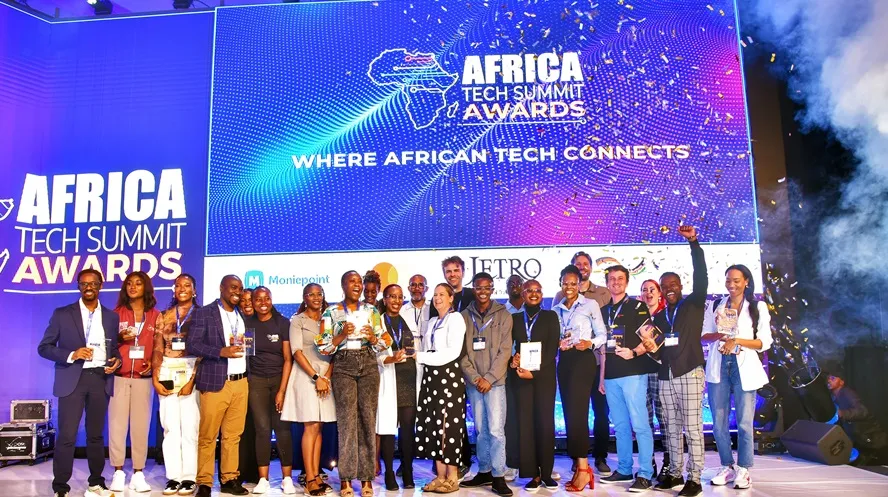
On 11 and 12 February, more than a thousand companies gathered at the Sarit Expo Centre in Nairobi for the Africa Tech Summit. Twelve startups earned a place in the Investment Showcase, the part of the event where young companies pitch live to investors. The organizers call them investment-ready. According to Africa.com, they work in sectors such as payments, web3, education, climate tech and healthcare.
The selection was announced back in January. According to the organizers, the showcase gives startups a chance to raise money, form partnerships and gain visibility. Experts from the ecosystem give the founders feedback on the spot. Mark Mugenwa, Business Development Manager of the Africa Tech Summit, said that investment is the main goal of the summit. In his view, the chosen companies have already shown strong traction. That is the organizer's own assessment and has not been independently verified.
Where the twelve come from
Kenya supplies the largest share of the group with four companies, reports Techmoonshot. They are Innobid, Pretium, TIBU Health and Zerobionic. Niteon, Timart, Vepay and Winich Farms come from Nigeria. Egypt is represented by Bekia and Chefaa, and Zambia by Bosso Africa. Hizo is described by Africa.com as a pan-African company.
According to Africa.com, the summit is made possible in part by Fincra. Hizo Africa is also on the list of companies taking part in the event. Startups less than three years old could buy a special ticket. It gave them access to networking sessions and a place in a Deal Book that is shared with investors and partners.
Payments across borders
Three of the twelve companies focus on money that has to cross a border. According to Africa.com, Hizo wants to bridge the fragmented financial systems in Africa. Users can spend, send and receive money in different countries using their own currency and card payments. Vepay offers fast, secure cross-border payments for individuals and businesses.
Pretium connects existing payment flows to the blockchain ecosystem. According to BitcoinKE, it is the only company in the group working in web3. For anyone who sends money to family in Africa or does business across several countries, these are the services that come up most often. How well they work in practice is not clear from the material provided.
Building materials, farmers, healthcare and inventory
Bosso Africa from Zambia wants to improve the slow, fragmented way building materials are bought. According to the organizers, the platform offers direct purchasing, price comparison and reliable logistics. The company was founded in 2022 and, according to Disrupt Africa, raised 400,000 dollars in a pre-seed round in 2024. It says it has more than a thousand hardware stores and building suppliers on the platform and has helped more than two hundred private home builders, in four of Zambia's ten provinces.
According to How we made it in Africa, customers can use Bosso Flexipay to reserve materials with an initial payment and pay the rest later on an agreed schedule. The materials are then delivered. Founder Chisepo Chirwa said in the same interview that some international investors found the Zambian market too small. He himself believes Zambia looks more like most African countries than the big four do: Kenya, South Africa, Egypt and Nigeria.
According to Africa.com, Niteon from Nigeria focuses on millions of African manufacturers and farmers who remain invisible, earn too little and have no connection to global opportunities. Winich Farms connects smallholder farmers directly with markets and financial services. Bekia from Egypt offers a digital waste collection platform that helps businesses reduce their environmental impact.
In healthcare, Chefaa is working on the problem of repeat prescriptions in a fragmented pharmacy market, which often leads patients to abandon their treatment. According to the organizers, TIBU Health brings care and AI tools to busy pharmacies in underserved Kenyan neighborhoods. The aim is to make care faster, cheaper and more reliable for low-income households. Innobid uses AI to give entrepreneurs who are often overlooked access to tenders in Kenya. Timart tackles the inventory problems of small Nigerian businesses, such as losses from manual record keeping, staff fraud, scattered debt records and tools that do not work offline.
Robots made from plastic waste
Zerobionic from Kenya stands out. According to the organizers, the company describes itself as led by people with disabilities. It turns plastic waste into robots with AI that translate spoken language into sign language in real time. The organizers cite an accuracy of 92 percent and want to help deaf students with STEM subjects. That percentage is a claim made by the company and the organizers.
Good News Network reports that each robotic hand is printed from recycled plastic and costs 350 dollars. Reportedly, 78 have already been sold. The same source writes that no consistent Kenyan or African sign language dataset existed, so the team had to build one itself. The media differ on who leads the company. Some name Norah Kimathi as the founder, others Maxwell Opondo. That is why we do not name anyone here.
According to Techish, Zerobionic was selected in April for Qualcomm's Make in Africa mentorship, as one of ten out of more than 1,200 applications from more than 45 African countries. Techcrier reported in May that the company was heading to an investor showcase in London.
What this means for the diaspora
The twelve companies show how much of Africa's new tech sector revolves around practical things: paying, building, growing food, getting medicine. For entrepreneurs in the diaspora, these are names to keep an eye on, as a partner, a customer or a source of inspiration. In an earlier interview with UNDP, Chirwa said that Bosso also wants to let people abroad build and rent out property in Zambia in the long run. That is an ambition and not an existing service.
I found no reports of investments or agreements concluded after the pitches. You can read more about the selection and the companies at Africa.com, TechCabal and Disrupt Africa. You can find more about Zerobionic at Good News Network and Techish.


Bronnen
Meer nieuws
Van TikTok-filmpje naar eigen bedrijf: Raoni Babel maakt furore met Surinaamse sushi
Raoni Babel uit Rotterdam combineert Surinaams eten met sushi en bouwde daar een eigen onderneming mee op. Wat begon met een video op…
Vier vrouwen bouwen bedrijven in Afrika die afval, honger en droogte aanpakken
Een bandenrecycler in Nigeria, een wateringenieur in Oeganda, een schoolmaaltijdenbedrijf in Kenia en een briketproducent in Malawi lossen…
Diaspora Week Lagos: twee weken om de diaspora met zakelijke kansen te verbinden
Tot en met 9 november loopt in Lagos een programma voor investeerders, ondernemers en creatievelingen uit de diaspora. Wat het oplevert is…
FairClimateFund uit Utrecht failliet, klimaatprojecten in Afrika onzeker
De Utrechtse non-profit FairClimateFund financierde schonere kookmethoden en boomplantacties van Burkina Faso tot Zambia en is failliet…
Gouverneur Sanwo-Olu loopt onverwacht mee op de catwalk van Lagos Fashion Week
De gouverneur van Lagos liep zaterdag in een ontwerp van Ugo Monye over de catwalk, op de slotavond van de hoofdshows. Het was zijn tweede…
AFRIFF opent vijftiende editie in Lagos met Djimon Hounsou als eregast
Met een openingsgala op zondagavond 1 november is in Lagos de vijftiende editie van het Africa International Film Festival begonnen. Naast…


