

Utrecht's FairClimateFund declared bankrupt, climate projects in Africa uncertain
The Utrecht-based non-profit FairClimateFund financed cleaner cooking methods and tree planting from Burkina Faso to Zambia, and has been declared bankrupt. An independent expert warns that new projects in particular are at risk.
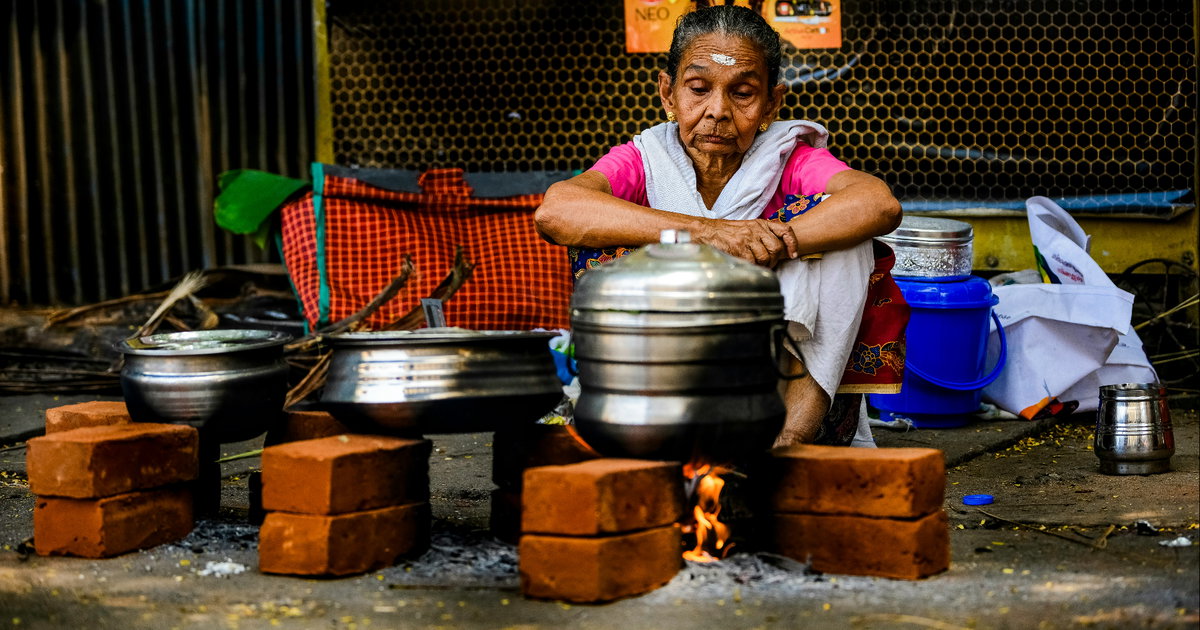
FairClimateFund was a non-profit organisation that ran climate projects from Utrecht, from Burkina Faso to Zambia. Its aim was fair climate action, through cleaner cooking methods and tree planting. According to RTV Utrecht, the organisation could not keep its head above water and was declared bankrupt in week 44. What this means for ongoing projects is not yet clear.
The sources differ on the exact date. WBN Wij Utrecht lists FairClimateFund B.V. in an overview of eight bankruptcies in the province of Utrecht, giving 28 October 2026 as the date. The bankruptcy register kept by Drimble gives 27 October. FairClimateFund could not be reached for comment by RTV Utrecht. A spokesperson for the trustee says an investigation into the cause of the bankruptcy will follow.
WBN Wij Utrecht also points out that a declared bankruptcy can still be lifted if an objection is filed within the deadline. Whether that applies here is not stated in the sources.
How the money came in
FairClimateFund worked with carbon credits, and the projects were paid for with the proceeds from selling them. A carbon credit is a certificate for an amount of CO2 emissions that is saved or removed from the air. One credit usually stands for one tonne of CO2. Companies could buy credits to offset the emissions of their own activities, and that money went to the projects.
According to its own website, the projects were certified under the Gold Standard and/or the Fairtrade Climate Standard. The organisation stated that more than 70 percent of revenue was to go directly to projects and households. These are claims made by FairClimateFund itself, which we have not been able to verify independently. The site also says that Fairtrade is phasing out the Climate Standard because of a strategic reorientation, and that the quality of the organisation's own projects, in its words, remains the same.
The goal was to offer cleaner cooking solutions to one million people together with partners by 2030, and in doing so to reduce CO2 by one million tonnes. According to its own website, 1,714,470 tonnes of CO2 had already been reduced and 415,173 people had been reached. These are also figures from the organisation itself.
Projects in Africa and beyond
In India, according to FairClimateFund, millions of rural households cook over open fires. This causes high CO2 emissions, speeds up deforestation and leads to serious indoor air pollution. For that reason, the fund worked with other organisations to provide improved cookstoves. In Indonesia and Kenya, similar projects ran on biogas cooking. According to the organisation's website, the project in Kenya involved more than 14,000 households.
In Chad, the focus was on solar cookers for refugees, for example from South Sudan. According to its own website, FairClimateFund supported that project since 2019 by having the CO2 reduction certified. The proceeds from the credits were meant to ensure that women in the camps keep access to this sustainable way of cooking.
In Burkina Faso, the organisation worked with Vogelbescherming. Between 2018 and 2022, 440,000 trees were planted there. They are intended for birds that spend the summer in the Netherlands and migrate to West Africa in winter. The website also lists projects in Rwanda, Ethiopia, Uganda and Zambia, including cooking pellets and biogas. Whether and how those projects will continue is not known.
What happens to the projects now?
Jan Cozijnsen, an independent expert on carbon credits, knows FairClimateFund and is surprised that it has gone wrong. He points out that many projects run for fifteen or twenty years. If FairClimateFund no longer has money to invest, a project could grind to a halt, he says.
New projects in particular are at risk, says Cozijnsen. Existing projects are registered, so another party can take them over and continue the monitoring and verification. He also warns of a risk in such a takeover. A party could, for example, take over ten projects at a low price and then decide to shut down five of them.
The trustee and FairClimateFund have not yet announced whether and how projects will be taken over. The bankruptcy concerns FairClimateFund B.V. in Utrecht. What it means for the local partner organisations and the households that use the cookstoves is not clear.
Why this matters
The consequences reach beyond Utrecht. Some of the projects are in African countries such as Burkina Faso, Kenya, Chad and Zambia. Households and refugees there may depend on safer cooking and on the trees that have been planted. For anyone in the Netherlands with ties to those countries, this is therefore relevant. Whether the projects continue depends on the outcome of the bankruptcy and on possible takeover parties.
Want to read more? RTV Utrecht compiles a weekly selection of bankruptcies in the province of Utrecht. The original report is on rtvutrecht.nl, and the week 44 overview is on wbn.nl.

Bronnen
Meer nieuws
Somalische minister roept op tot verantwoord gebruik van AI in media
De Somalische minister van Informatie, Abdifatah Qasim Mohamud, heeft opgeroepen tot een verantwoord gebruik van artificial intelligence…
ADO-aanvaller Nigel Thomas geselecteerd voor Curaçao
Nigel Thomas, aanvaller bij ADO, is opnieuw geselecteerd voor Curaçao en hoopt nu eindelijk zijn debuut te maken. Hij kijkt ernaar uit om…
Gesprek over communisme in The Black Archives: de spanning tussen klasse en kleur
The Black Archives organiseerde een gespreksavond over klassenstrijd, antiracisme en intersectionaliteit. Activist Mitchell Esajas leidde…
Van TikTok-filmpje naar eigen bedrijf: Raoni Babel maakt furore met Surinaamse sushi
Raoni Babel uit Rotterdam combineert Surinaams eten met sushi en bouwde daar een eigen onderneming mee op. Wat begon met een video op…
Wandkleed van 35 meter brengt Zuid-Hollands slavernijverleden naar Dordrecht
Vanaf zaterdag 7 november hangt in het Nationaal Onderwijsmuseum een monumentaal wandkleed over het koloniale slavernijverleden van…
Vier vrouwen bouwen bedrijven in Afrika die afval, honger en droogte aanpakken
Een bandenrecycler in Nigeria, een wateringenieur in Oeganda, een schoolmaaltijdenbedrijf in Kenia en een briketproducent in Malawi lossen…


